
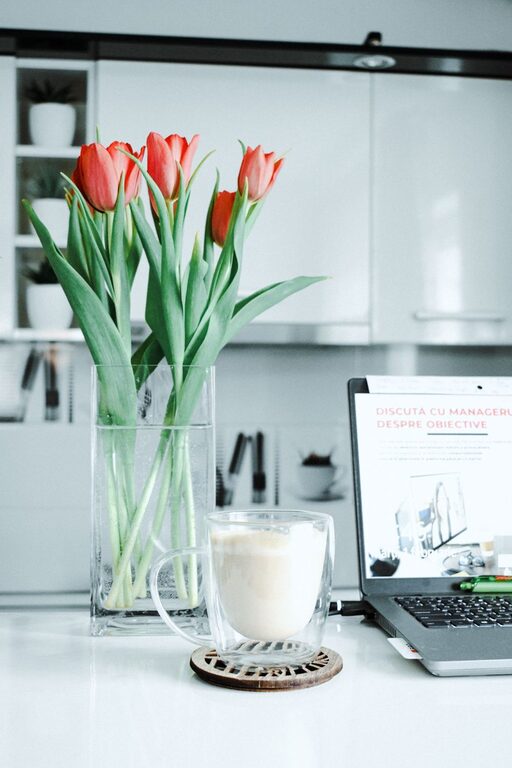
Creating a productive environment at home can sometimes be challenging. Without a dedicated workspace designed for focus and comfort, distractions and stress can easily take over. The key to boosting your productivity lies in crafting a relaxing home workspace that promotes calm and concentration. This guide offers practical tips to help you design a home office area that supports your work and well-being.
Why a Relaxing Workspace Matters
A comfortable and soothing workspace isn’t just about aesthetics—it has a real impact on your ability to concentrate and complete tasks efficiently. When your environment feels inviting and clutter-free, it reduces stress and mental fatigue, making it easier to stay motivated throughout the day.
Choosing the Right Location
Finding the best spot for your home workspace is the first step.
– Natural Light: Position your desk near a window to benefit from daylight, which can improve mood and alertness.
– Quiet Area: Pick a space away from high-traffic areas to minimize noise and interruptions.
– Dedicated Space: Ideally, designate a particular room or corner exclusively for work to help your brain associate that area with productivity.
Ergonomics for Comfort and Health
Comfort plays a major role in maintaining productivity over long hours.
– Quality Chair: Invest in an ergonomic chair that supports your back and encourages good posture.
– Desk Height: Ensure your desk and chair heights allow your elbows to rest comfortably at about a 90-degree angle.
– Screen Position: Place your computer monitor at eye level to avoid neck strain.
Declutter and Organize
A messy workspace often leads to a cluttered mind. Keeping your area tidy promotes relaxation and efficiency.
– Minimal Essentials: Only keep necessary items on your desk to avoid distractions.
– Storage Solutions: Use drawers, shelves, or boxes to organize supplies and paperwork.
– Daily Cleanup: Spend a few minutes at the end of each day putting things away.
Incorporate Soothing Elements
Adding calming touches to your workspace can enhance relaxation and focus.
– Plants: Greenery not only beautifies the area but can also improve air quality and reduce stress.
– Soft Lighting: Use lamps or adjustable lighting instead of harsh overhead lights to create a cozy atmosphere.
– Personal Touches: Include a few personal items like photos or artwork that inspire you, but avoid overdoing it.
Limit Digital Distractions
Technology is both a tool and a potential distraction when working from home.
– Manage Notifications: Turn off non-essential alerts on your devices during work hours.
– Use Focus Apps: Consider apps that block distracting websites or help manage your time effectively.
– Organize Digital Files: Keep your computer desktop and folders tidy to avoid wasting time searching for documents.
Create a Routine
Having a consistent daily routine helps train your brain to switch into work mode.
– Set Working Hours: Define clear start and end times to separate work from personal life.
– Breaks: Schedule short breaks to stretch, rest your eyes, and recharge.
– Morning Prep: Begin your day with a calming ritual like a cup of tea or a few deep breaths to set a positive tone.
Maintain Air Quality and Temperature
Your comfort depends not only on furniture but also on the physical environment.
– Ventilation: Open windows regularly to bring fresh air inside.
– Temperature Control: Keep the workspace at a comfortable temperature to avoid feeling too hot or cold.
– Avoid Strong Scents: Use mild, natural scents if desired, as strong fragrances can be distracting.
Use Calming Sounds
Background sounds can help some people focus better.
– White Noise: Devices or apps that produce white noise can mask disruptive noises.
– Nature Sounds: Gentle sounds like flowing water or birdsong can create a relaxing ambiance.
– Music: Consider instrumental or low-tempo music if it helps you concentrate.
Final Thoughts
Creating a relaxing home workspace is an investment in your productivity and well-being. By thoughtfully selecting your workspace location, optimizing comfort through ergonomics, minimizing clutter, and incorporating soothing elements, you build an environment where you can work efficiently and calmly. Remember, everyone’s preferences are different, so tailor these tips to fit your unique needs and keep adjusting your space to maintain a perfect work-life balance.